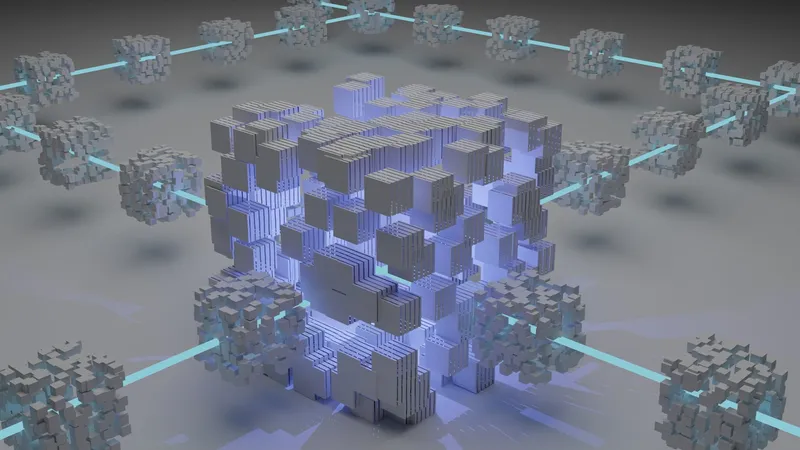
On Bitcoin, the next page of the notebook is chosen by proof of work. Machines try huge numbers of guesses. The first valid guess that meets a target — a hash small enough — may propose a block. Other machines check it. If it follows the rules, they build on it. The winner (or the pool the winner joined) receives the block subsidy plus the fees in that block. That is mining. It is not a sermon, not a personality, and not a reason you need a warehouse.
What Bitcoin is in plain language is the ledger and the cap. The 2020 halving guide is the subsidy schedule. On-chain fees are an auction is the other paycheck. China told miners to leave in 2021 is the dated map of trucks. Tesla’s till and the energy tweet are a company story. This page is the machine so those captions cannot borrow it.
Work, luck, and a target that moves
The “work” is hashing: a one-way squeeze of the block’s contents plus a nonce. You cannot skip to the answer. You can only try again. Difficulty is how hard the target is. About every two weeks Bitcoin retunes that target so that, whatever the total guessing power, blocks still arrive on a roughly ten-minute average. If machines unplug, the next retune is easier. If they flood in, it is harder. No committee votes. The clock is messy in the short run and stubborn in the long run.
A single modern machine’s chance of winning a whole block alone is a lottery ticket in a stadium. So operators join pools: they contribute guesses, the pool finds blocks more often, and the pool pays a share minus a cut. The pool is a company. It has a website, a payout address, and a way to be incompetent or malicious. Mining through a pool is not “being the network” in a romantic sense. It is selling hash to a coordinator.
Hardware is a product cycle, not a hobby brief
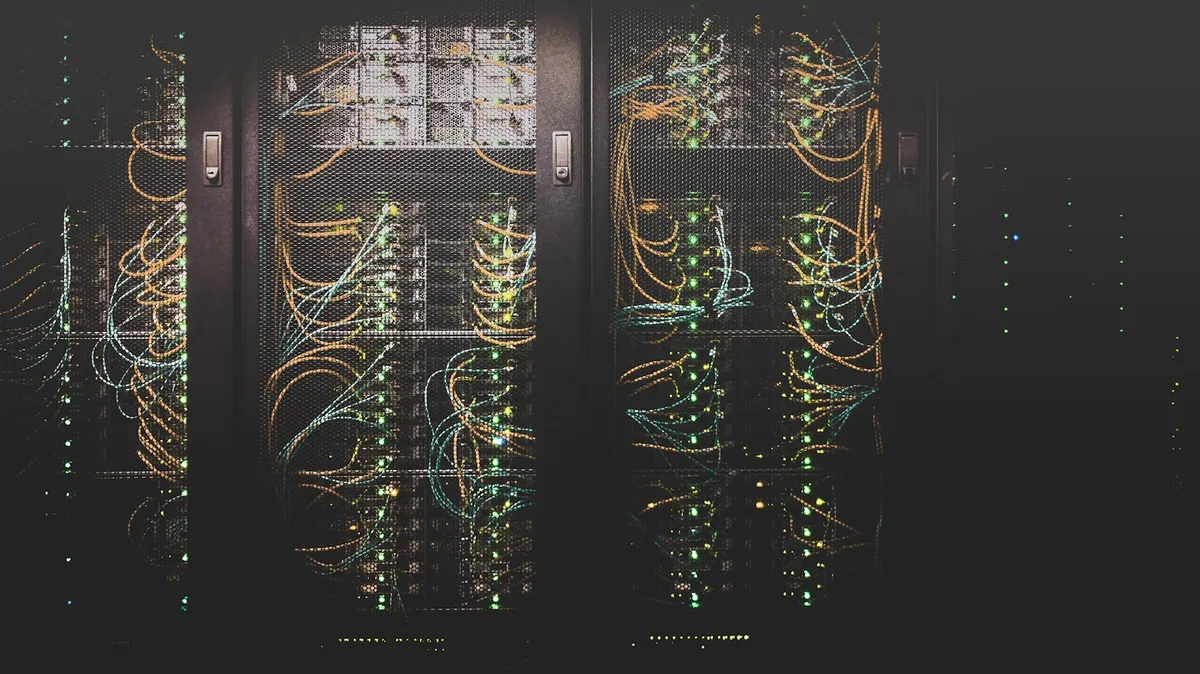
Bitcoin’s guessing is done, at any scale that matters, by specialised chips (ASICs). A gaming PC is the wrong tool for this chain in this decade. Other networks used to pay GPUs; some still do. We will not publish a shopping list, a wattage table, or a “best miner 2026”. Those pages go stale and then they sell affiliate cables. If you cannot explain difficulty, pool fees, and the next halving’s effect on your electricity bill, you are not looking at a business. You are looking at a brochure.
Home mining “to support the network” with a loud box is usually a donation to the power company plus a lesson in noise. Large operators chase cheap power, cool climates, and jurisdictions that will still have them next year. That is an industry. It concentrates. Concentration of hash in a few pools is a governance worry people argue about. It is not the same as “Bitcoin is a company”.
Hashrate is portable. The protocol is not a jurisdiction.
Hashrate is an estimate of how many guesses the network is making. Headlines treat it as a stock tip: up is bullish, down is death. Up means more machines, or more efficient ones, or cheaper power. Down means unplugging, a crackdown, a heat wave, or a price that no longer covers the bill. The chain’s response is the difficulty retune. Blocks continue at whatever hash remains.
In May 2021 a Chinese cabinet-level committee named mining. Barns packed. Hash showed up on other plugs. Difficulty fell, then climbed. The protocol did not fork to notice. That news piece is the trucks. This paragraph is why “Bitcoin died because a province unplugged” was always a caption. Hash is trucks and power-purchase agreements. The notebook is rules.
Two paychecks, one schedule
Miners are paid the subsidy — new bitcoin — plus fees. The subsidy halves on a known schedule. Fees are the auction: busy blocks pay more. As the subsidy shrinks, the security budget leans more on users who want inclusion. That is a long argument among people who care about 2040. It is not a reason to time a purchase to a countdown clock. The 2024 halving news is a dated subsidy print with ETFs in the background. The ETFs did not write the rule.
You do not need to mine to hold or send bitcoin. You need miners (or pools of them) to exist so that rewriting yesterday stays expensive. That is the engineering claim. Whether the joules are justified is a values argument about climate, grids, flared gas, hydro in a wet season, and what else those watts should do. EasyCryptoGuides will not settle it. Tesla pausing car payments over coal is a till. A State Council line is a policy. A viral chart of “energy per transaction” is often a bad unit: the network’s burn is per block, shared by every payment in it, not a meter on your coffee.
Proof of stake is a different machine. Ethereum’s Merge stopped ETH mining. A leftover proof-of-work copycat is another network.
A pool dashboard is not a wallet. Payouts go to an address. The wrong address is still the wrong city.
“Cloud mining” that only wants a deposit is usually a yield story with extra fans in the marketing.
Hashprice — what a unit of guesswork earns — is an industry quote, not a strategy for you.
What this guide will not do
It will not tell you to buy ASICs. It will not tell you mining is a crime or a climate solution. It will not rank pools. It will not treat hashrate as a buy signal. Staking is a lock and a queue if you wanted the other way of securing a chain. Fees are an auction if you wanted the user’s side of the same block.
If you are only learning, you can ignore mining the way you ignore how a clearing house settles a stock, until a headline claims the chain died or a salesperson wants a deposit for a box in a barn you will never see. Then come back here. The lottery is still a lottery. The sermon is still a sermon. Nothing here is an instruction to mine, to unplug, to buy, or to sell bitcoin.