On 14 May 2025 Coinbase Global filed an 8-K describing a campaign against its customer-service stack. On 11 May an unknown party emailed the company claiming to have customer-account information and internal documents, and demanded money not to publish them. Coinbase said it believed the claim. It said it would not pay.
The path in was not a clever signature on a hot wallet. Coinbase said the actor paid contractors or employees in support roles outside the United States to collect information they could already see to do their jobs. Some of that access, the company wrote, had been spotted by internal monitoring in prior months; those people were fired. The 8-K treats those incidents as one campaign. Preliminary costs — remediation and voluntary customer reimbursements — were sketched in a range of about $180 million to $400 million, with the usual caveat that the number may move.
What happened
This is how company custody fails when the chain is fine: humans with tickets, overseas vendors, and a helpdesk that must see enough data to reset a login. The stolen material, as described, is the sort that makes phishing work — who you are, how you talk to support, maybe enough to impersonate Coinbase or to social-engineer a SIM-swap. It is not, in this filing, a story about private keys walking out of cold storage.
Coinbase also sits on the edge of joining the S&P 500 this month. That is a stock-index fact. It does not change the account agreement. An exchange can be a public company and still be a place where a contractor can read your file.
Why it matters
If you keep a balance at Coinbase, you have always had counterparty risk: hacks, freezes, insolvency, and now a reminder that “verified support” is a process with humans in it. Enable phishing-resistant two-factor authentication. Treat unexpected emails, texts, and phone calls about your account as hostile, especially if they mention this incident. Coinbase will not need your recovery phrase; you may not have one if you never withdrew. They also will not need you to “verify” a seed to “secure your account after a breach”.
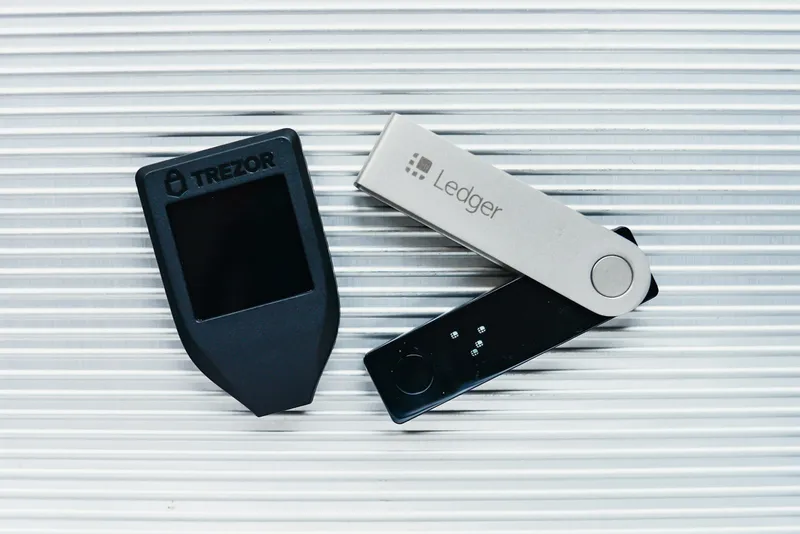
If you already withdrew to a wallet you control, this leak does not reach those keys — unless you now type the phrase into a fake form. For the split between an exchange login and a wallet, see how crypto wallets actually work and how buying crypto actually works. For the checklist, see keeping crypto safer.
What happens next
Law enforcement, customer notices, and a wave of lookalike domains. Watch Coinbase’s own status and legal filings, not a stranger’s screenshot. We will not turn an 8-K into a trading idea about COIN or about bitcoin.
Not a recommendation to use or leave Coinbase. Not an instruction to buy, sell, or withdraw in a panic.