On 7 September 2021 El Salvador became the first country to give bitcoin legal-tender status, ninety days after the Legislative Assembly passed the Bitcoin Law in June. The US dollar, legal tender since 2001, remains. President Nayib Bukele’s government rolled out Chivo, a state wallet with a promised $30 in bitcoin for citizens who sign up, plus ATMs meant to turn the token into dollars without a fee. Before midday the app was missing from stores or taken offline while the government added servers. Bitcoin’s print sold off the same day. That is a messy launch, not “Bitcoin is legal everywhere”.
The IMF had already been cool on the experiment. Bond markets had a view. Protesters in San Salvador had a view. None of those rewrites the protocol. They rewrite a small country’s payments stack.
What happened
Legal tender here means merchants are supposed to accept bitcoin, taxes can be paid in it, and the state can push a wallet. Forced tender plus a government app is a company product with a flag on it. Remittances are the pitch: skip the dollar fee, take the volatility. Lines at ATMs to cash out the $30 are the tell that many people wanted dollars.
Why it matters
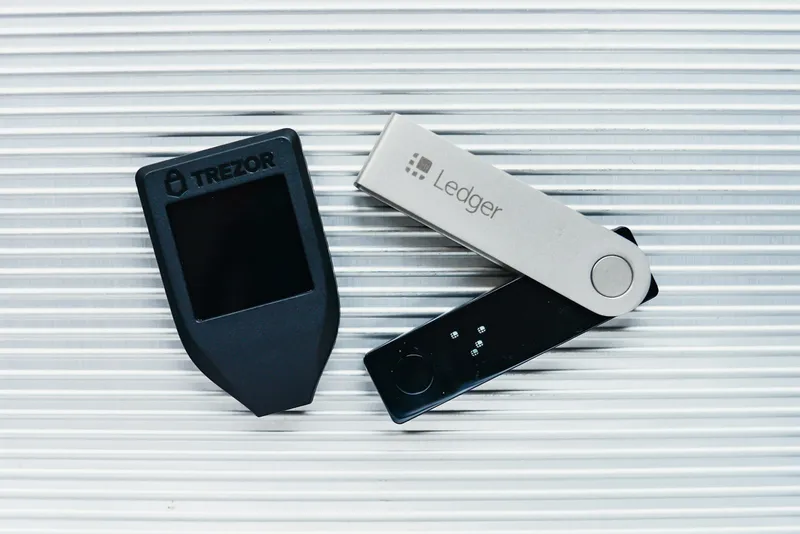
A nation-state putting bitcoin on the till is a distribution fact and a political fact. It is not a global statute and it is not a reason to treat a Chivo balance as coins you control. See how buying crypto actually works. See how crypto wallets actually work if the government holds the recovery story.
What happens next
Uptime, adoption surveys, more government purchases announced on social media, and a long argument with the Fund. We will not score the experiment on day one. Nothing here is an instruction to move to El Salvador, or to buy, sell, or hold bitcoin.