On 14 June 2018, at about 17:41 UTC, the EOS mainnet was treated as live: token-holder voting crossed the 15% threshold (about 150 million of a 1 billion supply) and elected block producers took over from the launch set. EOS Authority logged the moment around blocks 739,446–739,452. Block.one had spent a year selling ERC-20 EOS tokens — on the order of $4 billion, the largest ICO of the cycle — and had released EOSIO software. Block.one did not run the chain. Twenty-one producers did. A week of launch-group arguing and bug-hunting sat behind the green light.
The SEC’s 2019 Telegram/Gram complaint is a later, different fundraising. Do not collapse an EOS launch into a TON TRO. Ethereum remaining the contract platform people actually used is the competitive fact, not a slur.
What happened
A company sold a token to fund software; a community then had to vote a chain into existence. Delegated proof of stake with 21 producers is a design: fast blocks, obvious politics. An ICO that large is a capital markets event. Shipping a genesis is not the same as shipping the applications the sales deck described.
Why it matters
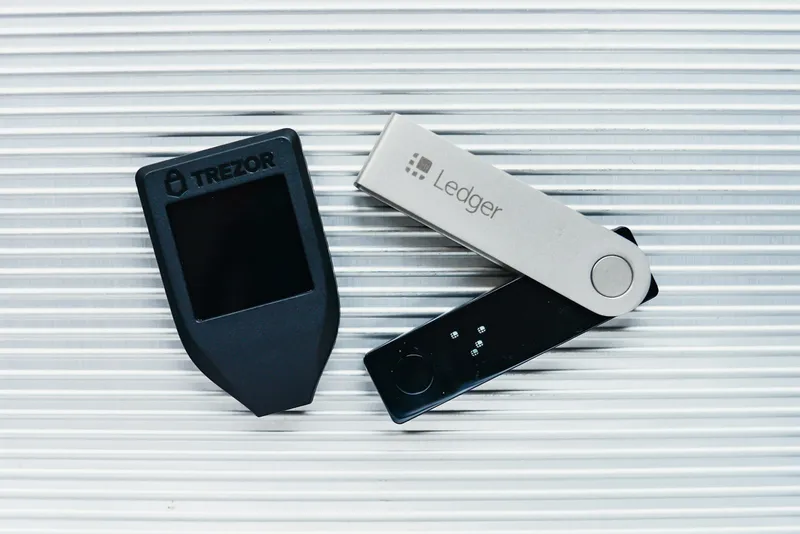
If you bought the ERC-20, you now depend on a new set of keys, a registration/KYC freeze Block.one pushed, and producers you may not know. See how crypto wallets actually work. A billion-dollar raise does not make a chain Ethereum, and it does not make your token a share of Block.one.
What happens next
Resource-model confusion, producer cartels as a genre, and years of “ETH killer” copy. We will not forecast EOS. Nothing here is an instruction to buy, sell, stake, or migrate tokens.