When you send coins, you are asking a global machine to write a line in a notebook that does not have infinite pages this hour. The fee is how you bid for a slot. High demand, higher bids. Quiet Sunday, lower bids. That is not a fine from “the blockchain”. It is not a tip to EasyCryptoGuides. It is not a moral judgement on your transaction. It is an auction with ugly units.
Wallets hide the auction behind “slow / normal / fast”. Those labels are a forecast of the next hour, not a law. This guide is the mechanism for Bitcoin and Ethereum, plus the ways a company withdrawal fee is a different product. What Bitcoin is in plain language and Ethereum without the jargon are the chains. The wrong network is still the wrong city is why you can pay a perfect fee to the wrong notebook.
Scarce room, not a meter in the sky
A block has a size (Bitcoin) or a gas limit (Ethereum). Miners and validators prefer the bids that pay them more, subject to the rules. If you bid too low, you wait. Waiting is not theft. The coins are still yours to resend, or they sit in a queue until someone includes them, or a wallet gives up and the funds show as available again. That last sentence is why “sent” in an app is not the same as “confirmed”.
An exchange withdrawal fee is often a company surcharge plus, somewhere, a network bid. The line item on the screen may not match what actually landed on-chain. Read it as a product price, not as a window onto the mempool.
Bitcoin: satoshis per vbyte, a waiting room, a second chance
Bitcoin fees are usually quoted as satoshis per virtual byte — how densely you pack the bid into the transaction’s weight. A simple send from one note to one destination is smaller than a send that consumes many leftover notes (many inputs). Wallets that have received lots of tiny payments can look “expensive to empty” for this boring reason. It is not a penalty for being poor. It is the size of the instruction.
Unconfirmed transactions sit in a mempool — a waiting room each node keeps. If the room is full of higher bids, yours waits. Some wallets let you bump the bid later (replace-by-fee) or spend the change in a new transaction that pays more (child-pays-for-parent). Those are tools, not obligations. We will not walk a recipe. We will say: a stuck send is usually a low bid, not a hack, and poking it from a phishing “accelerator” site is how people lose the coins they were trying to unstick.
Confirmations are blocks stacked on top. One is a start. Exchanges wait for more because recent history can still shuffle. The bitcoin guide covers that. Fees do not buy you a lawyer. They buy you a place in a block.
Ethereum: gas, a base fee that burns, a tip that begs
Ethereum meters work in gas: a unit of computation. Sending ETH is cheap in gas. Calling a busy contract is not. You pay gas used times a gas price. Since London (August 2021), that price has two parts: a protocol-set base fee that is burned, and a tip that can still buy priority. When the chain is busy, the base fee climbs. When it is quiet, it falls. That is why a “cheap” swap on Sunday can be dear on Monday afternoon with no mysterious new tax. We wrote London as news. This page is the everyday send screen.
A failed or reverted transaction can still cost gas. The network did the work of trying. The contract said no. You still paid the machines. That feels like a punishment. It is the meter. Simulate if your wallet offers it. Read the warning. A signature that reverts is not “the blockchain stole it”.
Blobs — the cheap data path Dencun added for rollups — are another knob. They made layer-2 posting cheaper. They did not make Ethereum mainnet free, and they did not make a quiet fee a personality trait of the chain. The Dencun news piece is the dated version. Demand still sets the auction.
Layer-2s share the bill. They do not delete it.
A rollup batches many user transactions and posts a compressed record to Ethereum. You pay a small fee on the layer-2, and a slice of the mainnet bill is spread across the batch. Fast and cheap is a design. It is not the same network as Ethereum mainnet. The same 0x characters on Base are not a balance on Ethereum. Pay the layer-2 fee to the address the destination actually uses. Bridges add a contract and a wait. They are not a fee refund.
Solana, Bitcoin, and other notebooks have their own auctions or their own “rent”. Do not paste an Ethereum gas lecture onto a chain that does not use gas. The word “fee” travelled. The units did not.
What a wallet’s “recommended” actually is
The three speeds are a guess from recent blocks, a mempool snapshot, or a third-party API. They can be wrong. They can be padded. They can be stale if the wallet has not talked to a node in a while. If a send is not urgent, a lower bid and a cup of tea is a valid strategy for Bitcoin. On Ethereum, underpaying can mean a long pending, then a replacement, then confusion. If it is urgent, you are bidding against everyone else who thinks it is urgent — liquidations, NFT mints, airdrop days. That is the auction talking. It is not a reason to sign a second transaction from a helper in DMs.
Check the asset and the network before you check the fee.
A company withdrawal fee and a network fee can both appear. They are not one number.
“Accelerate” websites that want your phrase are not accelerators.
A screenshot of someone else’s cheap send is not a quote for yours. Size and congestion differ.
Fees are not a price thesis
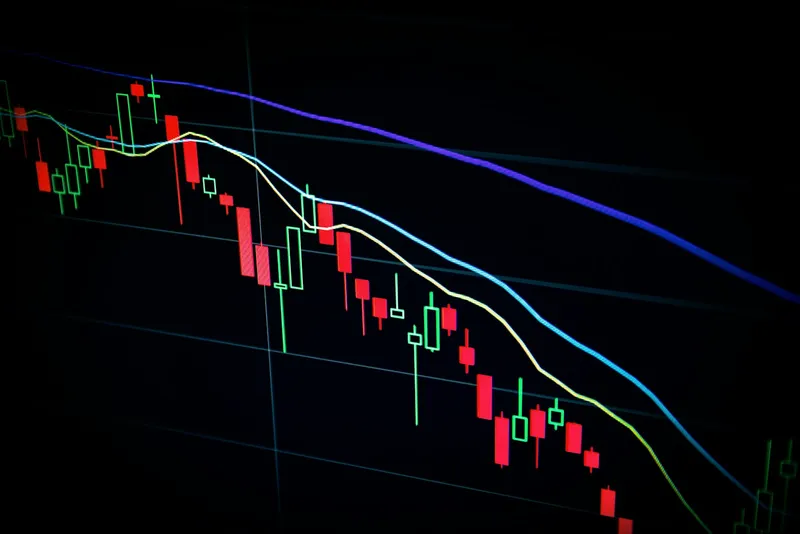
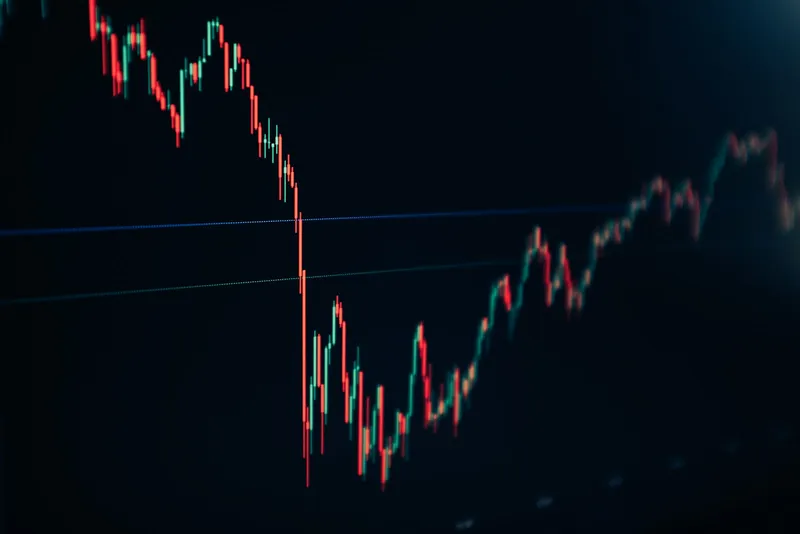
High fees mean many people want block space now. That can coincide with a green candle. It can coincide with a panic. Cheap fees can mean a lull in demand, or a new batching path, or a Sunday. The news desk already argued that quiet Ethereum fees are still a story about demand. Do not treat a fee spike as a buy signal or a fee drought as a eulogy.
Miners and validators earn from fees (and, on Bitcoin, from the block subsidy that halves on a schedule). That is how the notebook stays hard to rewrite. You are not paying a CEO. You are paying whoever wins the right to write the next page. Whether you think that is justified is a values question. The send-screen question is narrower: did you bid enough, on the right chain, to an address you checked?
A calmer send
If the amount is tuition, the default guess is fine. If the amount would ruin the month, look at a block explorer’s current conditions, wait out a spike if you can, and still do a test send. Hardware wallets that show the fee on their own screen exist because laptops lie. The practice guide is next. How buying crypto actually works covers the company half of a withdrawal.
Nothing here is an instruction to buy, sell, or hold any asset, or to time a send for profit. A fee is a bid. Bid on the chain you meant. Then wait. The notebook will still be there. The fake accelerator will not.