First published 19 October 2020, four days after mainnet. Expanded in October 2026 so a storage deal is not described as a folder you own. Filecoin is a network, built by Protocol Labs, where people with disks offer to store other people’s data and post collateral in FIL. Mainnet began on 15 October 2020, at block 148,888. The 2017 sale had raised on the order of $200 million against a slice of a 2 billion ceiling. Most of that ceiling was assigned to be released as rewards for storage providers, not handed out on the first day. Coins from the sale vested. A market-cap line that multiplies a price by 2 billion is counting coins that were not the float.
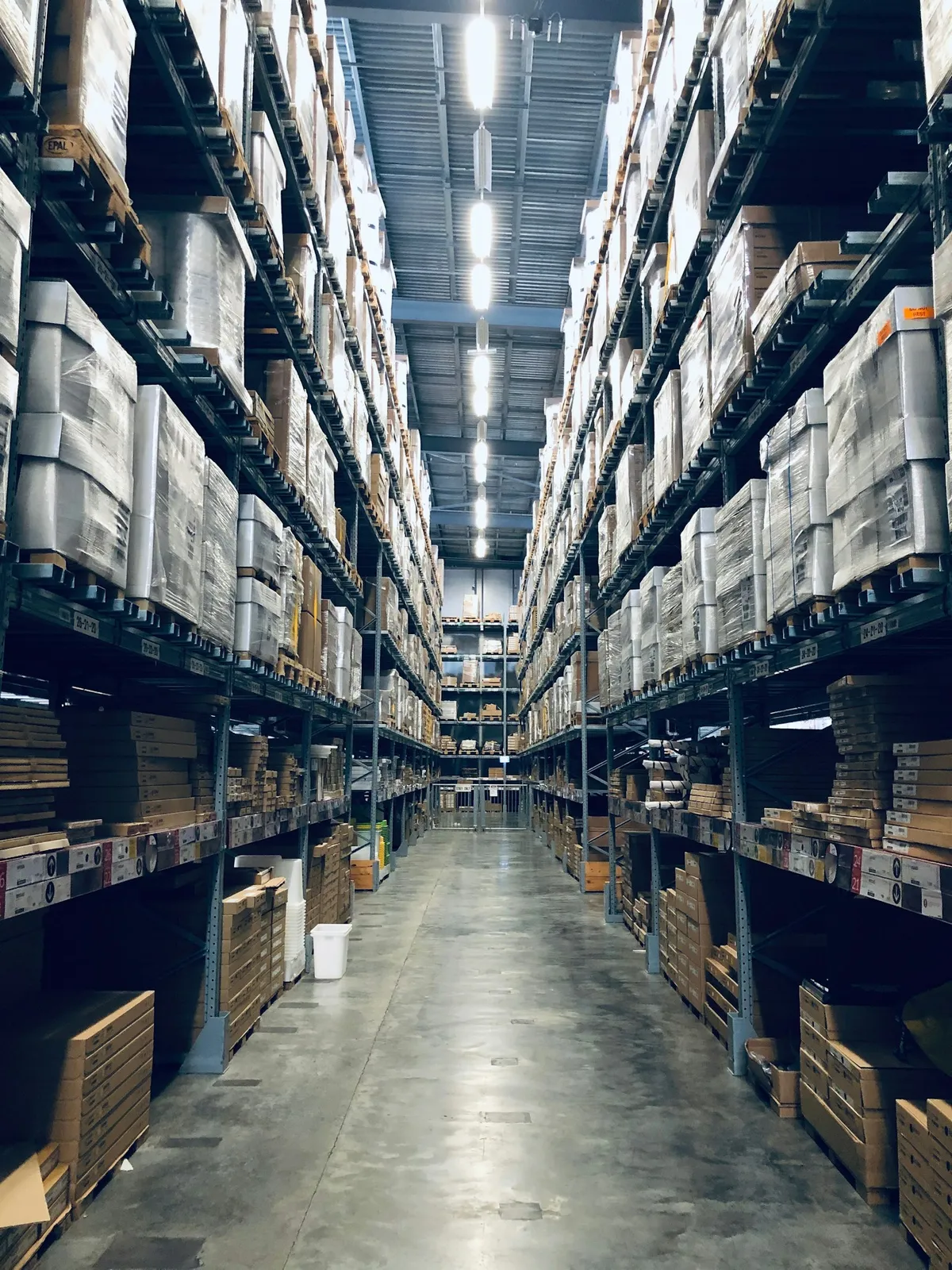
A storage deal is a contract with a provider: a price, a size, and an end date. The provider seals the data and posts proofs, over time, that they still have it. If the proofs stop, the collateral can be taken. That is the enforcement. It is not a promise that you can download the file in one click from a brand you already know. The disk is in a room you do not control.
Retrieval is a second conversation
Getting the data back is a retrieval deal, often paid as the bytes arrive, and the provider may have to unseal the copy first. Unsealing is slow. A deal that stores the file is not a deal that serves it to you on a Tuesday. When the storage deal ends, the provider is finished unless you make another one. There is no helpdesk that keeps the file out of kindness.
The chain checks the proofs. It does not know whether the file was worth storing. A fingerprint of the data matching is not a statement that the contents are true, legal, or backed up anywhere else. One provider is one room. The useful copy is a second provider, or a disk you still have. This page will not walk through how the proofs are built.
FIL paid to a provider, and FIL locked as their collateral, are the same ticker in two jobs. Collateral is a lock. It can be lost when the proof fails. Staking is a lock and a queue, not a savings account. A Filecoin address is not an Ethereum address. The wrong network is still the wrong city. Nothing here is an instruction to store a file, to provide storage, or to buy FIL.