On 31 May 2024, at about 13:26 Japan time, DMM Bitcoin detected an unauthorised outflow of 4,502.9 bitcoin from a wallet it controlled — on the order of $305 million at the day’s print. The exchange paused withdrawals, spot buys, and some leveraged activity, and said group companies would procure replacement BTC so customer deposits would be made whole. That is a balance-sheet promise from a conglomerate. It is not a protocol patch.
Japan has heard this plot. Coincheck in 2018 was the then-record NEM theft and the reason exchange rules tightened. Different decade, same category: coins on an operator’s address, then not.
What happened
DMM Bitcoin’s own notice called it an unauthorised leak from “our wallet”. Whale-alert-style feeds saw a large BTC move at a matching time. The firm did not, that day, publish a root-cause worthy of a post-mortem. Investigation language is what you write when the keys or the process that guarded them have already failed.
Customers who thought they had bitcoin at DMM had a claim on DMM. The network confirmed a transaction someone was allowed to sign. If you did not have an account there, a red candle elsewhere is weather.
Why it matters
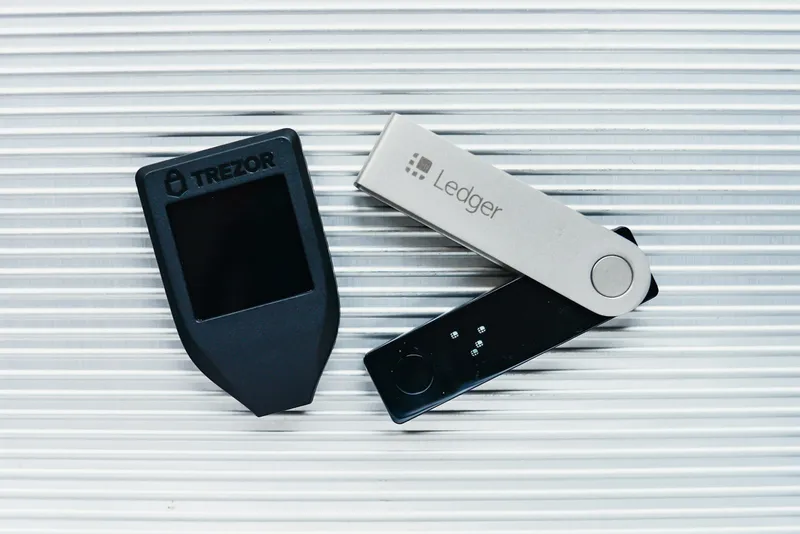
Licensed venues and group guarantees are better than a fly-by-night shop with a Telegram admin. They are still counterparties. “We will buy it back” is credit and market impact, not time travel. See how crypto wallets actually work, and the practical checklist, especially the part about not keeping a life-changing balance on a login.
What happens next
A fundraising plan to buy replacement coins, service restrictions, and a cause that may or may not be explained well. We will not turn a Japanese exchange theft into a bitcoin thesis. Nothing here is an instruction to buy, sell, withdraw, or use DMM.