On 25 September 2020, from about 19:05 UTC, large withdrawals left KuCoin hot wallets for unknown addresses. The exchange disclosed the incident that night into 26 September. CEO Johnny Lyu said in a livestream that hot-wallet private keys had leaked; remaining hot funds were moved, old wallets abandoned, deposits and withdrawals frozen. Cold wallets, the firm said, were untouched. Early dollar tallies sat near $150 million; later KuCoin figures put the haul around $275–285 million once the ERC-20 list was counted — BTC, ETH, LTC, XRP, XLM, TRX, USDT and more than a hundred tokens.
Make-whole talk, issuer freezes, and an insurance fund covering the gap are later operational chapters. This page is the theft. It is not Bitcoin failing and not Ethereum consensus failing.
What happened
Hot wallets are the pool an exchange keeps online so withdrawals are fast. If those keys leak, the chain does exactly what keys are for: it signs. Customers who thought they had coins at KuCoin had a claim on KuCoin. The network confirmed transactions someone was allowed to sign.
Why it matters
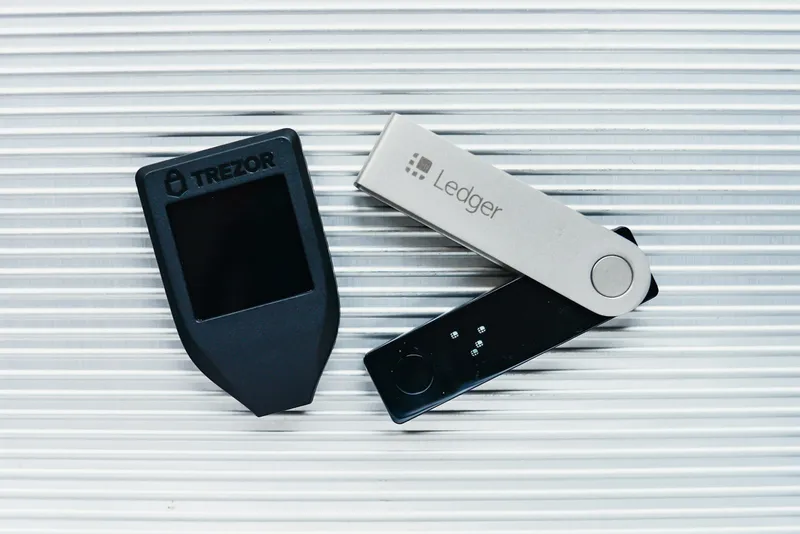
Insurance funds and token-issuer pause buttons can make users whole. They are still counterparties. See how crypto wallets actually work, and the practical checklist, especially the part about not keeping a life-changing balance on a login.
What happens next
Freezes, recoveries, a bounty, and a week of “which ERC-20 paused”. We will not rank remaining exchanges. Nothing here is an instruction to use or leave KuCoin, or to buy, sell, or withdraw tonight.