On 16 November 2026 an outsider used a flaw in Optimizely’s Web Experimentation signup flow to act as customer administrators and add JavaScript to some projects. Optimizely’s report of 17 November says the first malicious code was written at 07:51 UTC, the activity was detected at 13:34 UTC, the flaw was closed at 16:10 UTC, and the code was removed from every affected project by 22:24 UTC. Delivery is blocked. No malicious code remains in Optimizely’s systems, on the company’s account. It was not a stolen password. Optimizely says customers do not need to reset passwords. Only Web Experimentation was involved. This page will not describe the flaw, and it will not describe how the script changed an address.
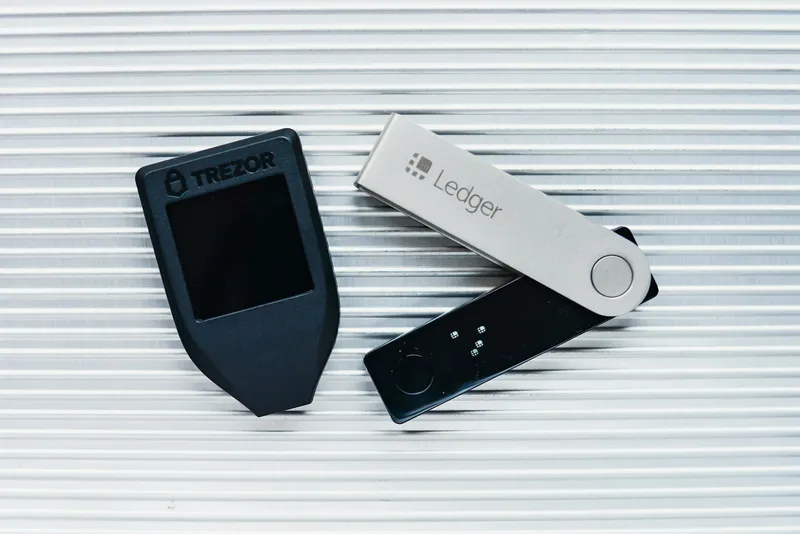
Web Experimentation is a snippet a company puts on its own website so Optimizely can change what a visitor sees. The snippet loads from Optimizely. On an affected project, that load carried the added script into the visitor’s browser. The company’s network was not what the report says was entered. The page was. How crypto wallets actually work. A page can show an address. It cannot sign. The wallet does that, and only for the address the wallet is actually given.
What happened
Optimizely’s own sentence is that the script was meant to take payment information and crypto activity. On a site that was affected, and that did not have a strong content-security policy, the script targeted transfers by replacing the destination wallet identifier. Readable cookies, the page address, and a screenshot were sent only on pages where an address had been swapped. Card numbers, expiry dates, and security codes typed into a form on the page itself were in reach. Cards typed inside a hosted payment frame, such as Stripe or Adyen, were not. A strong content-security policy stopped the script, because the harmful part was loaded from outside. A second script, on iPhones and iPads, targeted iOS and iPadOS 18.6 and earlier.
Optimizely has not published a loss total, and it has not published a list of the sites. It says it has told each affected customer directly, and that not every customer was targeted. Report URI’s count of 178 organisations, and its naming of Ledger among them, is Report URI’s. It is not Optimizely’s list. Researchers’ counts of what arrived at the addresses, about $7,040 in one write-up and about $2,260 in another, do not agree, and neither is the company’s figure. A few thousand dollars in a researcher’s count is not a finding that nobody paid the wrong address.
Early guidance on 16 November told customers to turn the snippet off. Optimizely has withdrawn that guidance. The investigation, with Mandiant, is still going. The actor has not been named.
Why it matters
If you copied a wallet address from a website between 07:51 and 22:24 UTC on 16 November, the address on the page is not the check. The check is the address on the wallet’s own screen, including a hardware wallet’s screen, against the address you meant to pay. What is a wallet signature?. A signature approves the address the wallet shows. It does not approve the address a web page displayed a moment earlier. If your coins sit in a wallet you sign for yourself, and you checked that screen, this page did not spend them. A message that says a brand site was compromised, and asks you to “verify” by pasting a seed phrase or connecting a wallet to a new page, is not Optimizely’s report. See How do you keep crypto safe?.
An Optimizely password was not the thing taken. A visitor who typed a card into the page, or who copied an address from it, is a different person from the Optimizely customer. Those are two risks, and resetting a password does not answer the second one.
What happens next
Optimizely’s final report, which is not this one. A list of sites, if the company ever publishes one. Report URI’s 178 is not that list. Any loss total, which the company has not given. Watch Optimizely’s own report. We will not treat a researcher’s few thousand dollars as the loss, and we will not describe the script.
Not a recommendation to use or abandon a website that loads Optimizely. Not a finding that every Optimizely customer was affected. Not a description of the signup flaw or of the address swap. The report’s own account is a window on 16 November, a script that could replace a destination, and no total.