On 14 January 2019 Jennifer Robertson, Gerald Cotten’s widow, posted on QuadrigaCX’s Facebook page that the co-founder and CEO had died on 9 December 2018 in India from complications of Crohn’s disease. The exchange was already slow on withdrawals. By 31 January the company was in Nova Scotia court seeking protection under the Companies’ Creditors Arrangement Act; an order followed on 5 February. The affidavit story that week: Cotten was the only officer, the laptop was encrypted, cold wallets could not be opened, on the order of C$180–250 million owed to about 115,000 users. That is the product fact customers were asked to believe: one person’s keys were the vault.
The Ontario Securities Commission’s 11 June 2020 staff report is later, and it matters: staff concluded the platform collapsed because of fraud by Cotten — alias accounts, fictitious balances, losses covered with other clients’ deposits — not because a full reserve sat encrypted. This page stays on the announcement week and flags that later finding so the laptop myth does not travel alone.
What happened
Customers who thought they had bitcoin or ether at Quadriga had a claim on a private company with no independent custody, no real books, and one man who could credit himself. Death made the hole visible. A “lost cold wallet” is a narrative that can be true, false, or both in parts. Either way it is not how professional custody is supposed to work.
Why it matters
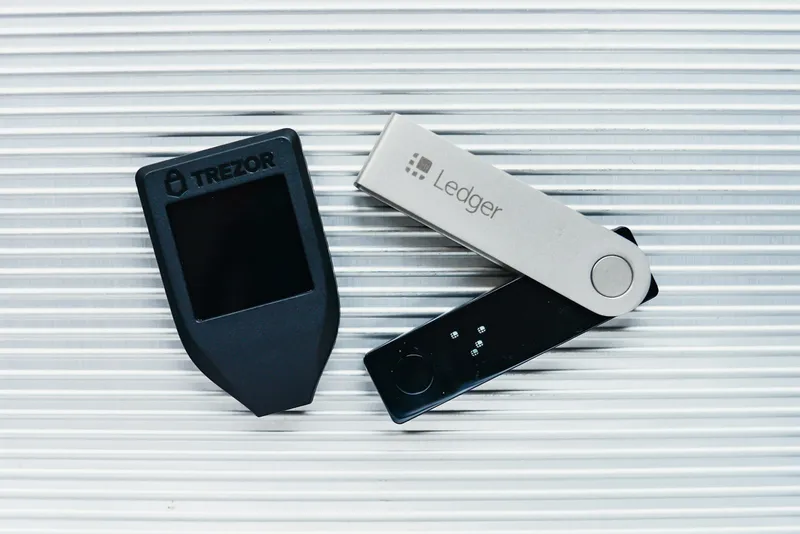
If your coins live on an exchange login, you are an unsecured creditor when the story breaks. See how crypto wallets actually work, what cold storage is, and the practical checklist. Multi-person control and proof of reserves are boring on purpose.
What happens next
Ernst & Young as monitor, a bankruptcy, and an OSC report that will re-describe this week. We will not speculate about the death. Nothing here is an instruction to use or leave any living exchange, or to move coins in a panic tonight.