On 26 January 2018 Tokyo exchange Coincheck disclosed that around 3:00 JST about 523 million NEM (XEM) had been sent from its wallet to an address it did not control — about ¥58 billion, or $530 million at the day’s print, larger than the 2014 Mt. Gox dollar headline. President Koichiro Wada and COO Yusuke Otsuka said the NEM had been in a hot wallet. The firm halted XEM, then almost all withdrawals and most trading. It was operating as a “deemed” virtual-currency exchanger — registration with the Financial Services Agency not finished. The FSA demanded a report that day and issued a business-improvement order on 29 January, then inspected other venues.
Make-whole in NEM and yen, a later buyout, and DMM Bitcoin’s 2024 theft are later Japanese chapters. This page is the Friday. It is not NEM’s consensus failing, and it is not Bitcoin failing.
What happened
Customer coins sat on a company key that was online. Someone used that key. The NEM ledger recorded a valid send. Coincheck’s remaining promise was a corporate one: compensation, not a chain reorganisation. Hot storage of a concentrated customer pile is a business choice Japan’s new exchange rules were supposed to police.
Why it matters
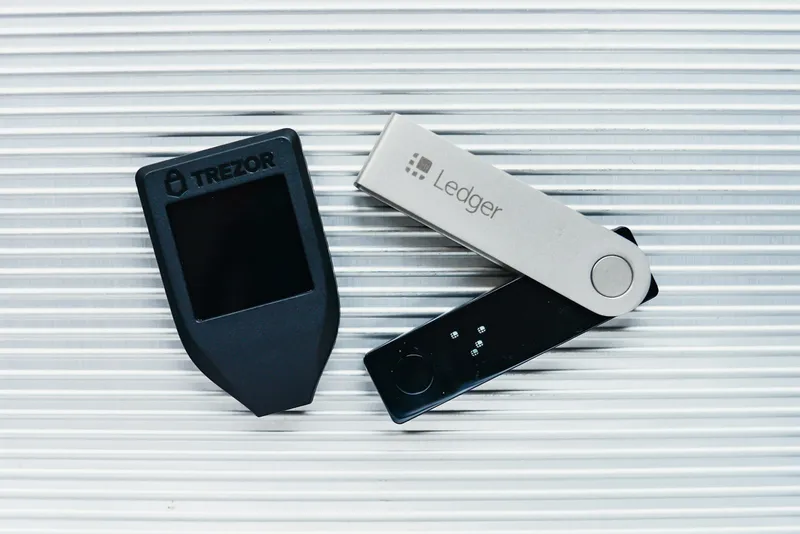
After Mt. Gox, “we learned” was the national line. Coincheck showed the lesson had not reached every hot wallet. See how crypto wallets actually work, what cold storage is, and the practical checklist. An FSA order is how a country treats a shop. It is not a patch to XEM.
What happens next
Inspections across Japanese exchanges, a compensation plan, and a tighter licensing culture. We will not rank remaining venues. Nothing here is an instruction to use or leave Coincheck, or to buy, sell, or hold NEM or bitcoin.