On 19 November 2026 Fluidkey said it was aware of a security incident and told people not to use the website or the app. It says it took every service offline at 18:05 UTC, and that it had seen no further unauthorized transaction after that. On 20 November it put web, iOS, and Android back on version 1.79.22. Older versions stay blocked. Its account of the cause is that an attacker used flaws in a third-party logging tool to obtain session data, prepare unauthorized transfers on Fluidkey’s servers, and have them signed when a person opened the app. It says the private keys that control the funds never left the device. It has not named the logging tool, it has not published a loss total, and it has not published the post-mortem it said would follow. About $1.58 million is Bitquery’s tally of what it tied to one attacker. It is not Fluidkey’s figure. This page will not describe the logging tool.
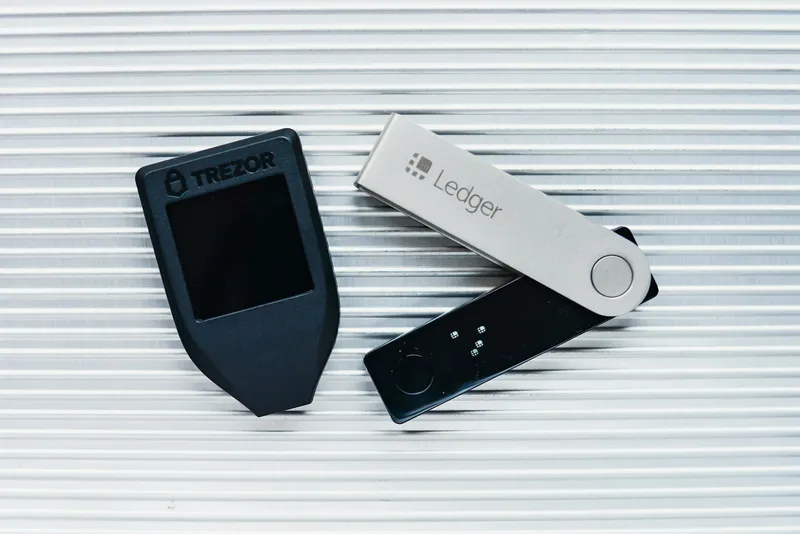
Fluidkey is a wallet. The company says the key stays on the phone or the computer. How crypto wallets actually work. A key that never leaves the device still signs whatever the app puts in front of it. On Fluidkey’s account, the transfer was prepared on the company’s servers, and the signature happened when the app was opened. What is a wallet signature?. The signature approves the transfer the wallet is shown. It does not ask whether the company meant that transfer.
What happened
The first public warning was at 18:20 UTC on 19 November, after the shutdown. At 20:17 UTC the same evening Fluidkey said there had been no unauthorized transaction since 18:05 UTC, that it was working with SEAL 911, and that the web app and the APIs would stay paused. On 20 November it warned that the team would not contact people privately through social media. The version that came back the same day is the one that, on the company’s account, can no longer prepare transfers the way the incident did. Sending again requires that version. A restored app is not the money back, and a block on older versions is not a refund.
Bitquery’s about $1.58 million, across chains it named, is the data firm’s range. A public tracker’s about $1.63 million sits in the same band, and it is still not a company total. Fluidkey said it would contact affected people individually. That is a plan. It is not a list, and it is not a payment this page has seen.
Why it matters
If you opened Fluidkey during that window, the company’s sentence is that the app may have signed a transfer prepared on its servers. The key staying on the device does not, on that sentence, mean the funds stayed. If your coins sit in a wallet Fluidkey cannot ask you to sign for, this page did not spend them. A message that offers a refund, or help with the update, and arrives as a private social-media chat, is the contact path Fluidkey said it would not use. See How do you keep crypto safe?. Update only from the app or the site you already use.
What happens next
The post-mortem, which has not been published. A loss total, if Fluidkey gives one. Whether the people it said it would contact have been paid, which this page has not seen. Watch Fluidkey’s own account. We will not treat Bitquery’s $1.58 million as the company’s figure, and we will not describe the logging tool.
Not a recommendation to use or abandon Fluidkey. Not a finding that a seed phrase was copied. Not a description of the tool. The company’s own account is a shutdown on 19 November, a signature when the app opened, keys that stayed on the device, and no total.