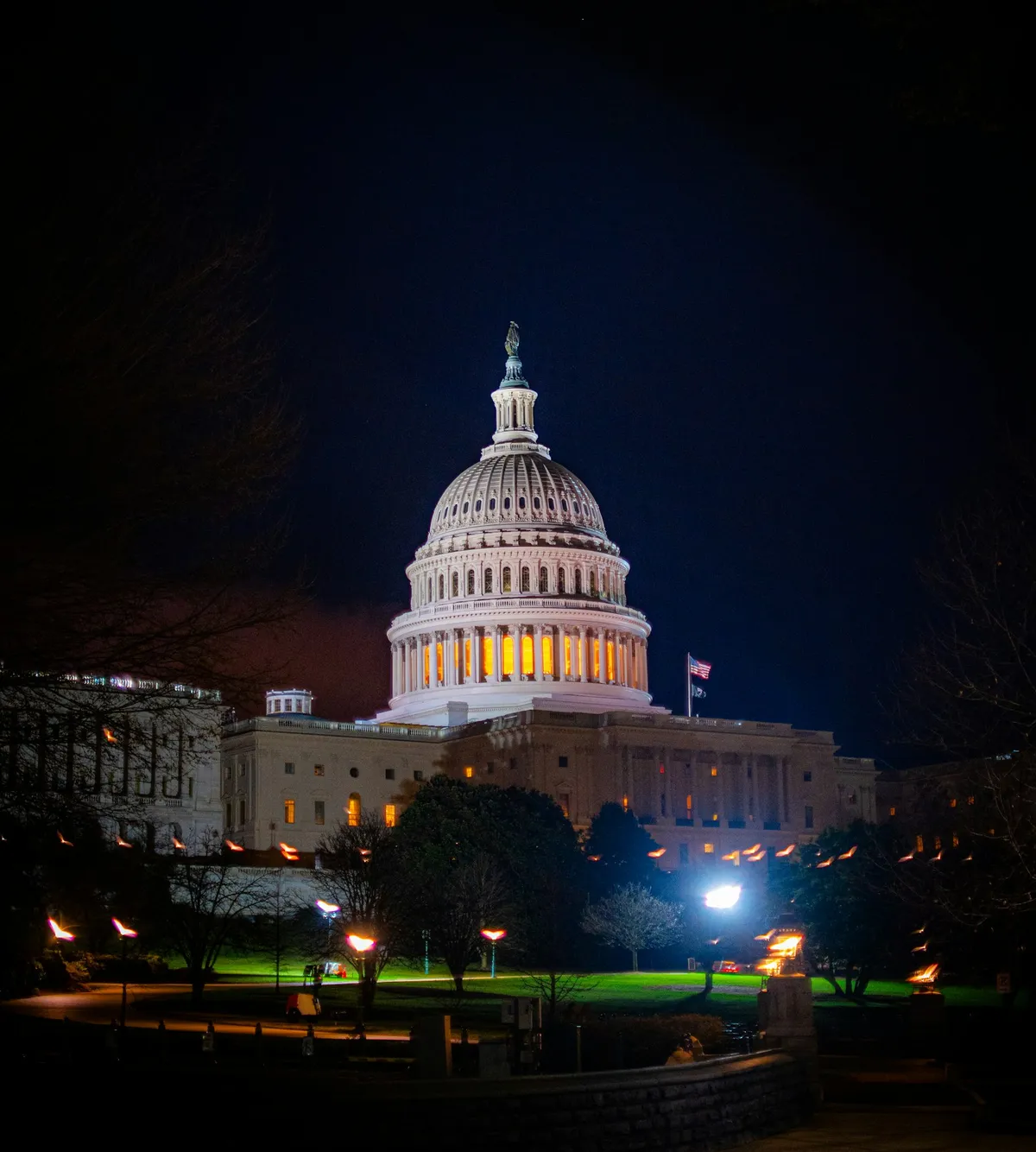
On 15 September 2026 the US Senate voted on whether to end debate on the motion to proceed to H.R. 3633, the Digital Asset Market Clarity Act. The tally was 49 to 50. Cloture needs 60. The motion did not even have a simple majority. The House had passed the same bill 294 to 134 in July 2025. A failed motion to proceed is a scheduling defeat. It is not a statute, not a licence, and not a decision that bitcoin is a commodity.
Coverage of the roll call says Republicans Susan Collins, Josh Hawley, Jerry Moran, and Thom Tillis voted no, and Democrat Chris Coons did not vote. Tillis’s no was so he could enter a motion to reconsider, which keeps a parliamentary path to try again. Lead sponsor Cynthia Lummis had told reporters that if cloture failed, it was over. Two days later, reporting said seven Democrats who had worked on the text called the result a setback and said they would keep negotiating. The House had left Washington until after the 3 November election.
What happened
CLARITY is the market-structure bill. Its job, in the version that left the House, was to say which federal agency supervises which crypto activity, and to pre-empt a range of state rules that currently sit under spot trading and custody. That agency split was not what stopped the Senate, according to the accounts of the talks. The breakdown was over ethics limits on senior officials’ crypto holdings, including the President’s, and over whether stablecoins should be allowed to pay yield. Banks argued yield would pull deposits. Those are political clauses. They are not a white paper.
The only federal crypto statute already on the books is the GENIUS Act, signed on 18 July 2025, and it is about payment stablecoin issuers. The GENIUS Act is a stablecoin statute. It is not MiCA, and it is not a dollar. CLARITY would have been a second statute, about markets. It is still a PDF on Congress.gov. The SEC’s August proposal, Regulation Crypto Assets, is a different instrument: a Commission draft for certain investment-contract offerings, with comments open through 20 October. A failed cloture vote does not adopt that draft and does not kill it.
Why it matters
Readers will be told crypto “lost clarity” or “won” because a price moved while the board was up. Bitcoin’s print that afternoon is weather. A candle is not a vote, and a vote that fails to proceed is not a ban. If you use a US exchange, your account agreement did not change at 49–50. If you self-custody, Congress did not hand you a new right and did not take one. State money-transmitter licences, state virtual-currency regimes, and the securities laws that already apply are still the machines in the room. Regulation is a process memo, not permission.
Europe took the other route. MiCA’s transitional period for existing providers ended across the bloc on 1 July 2026. That is a European licence calendar. It did not move because the US Senate failed a motion. See how to read a crypto headline without getting played, and what “regulatory clarity” actually means when you read it in a headline.
What happens next
A motion to reconsider is a door, not a calendar. With the House away until after the midterms, comprehensive legislation is a 2027 problem unless someone forces it back. Agencies do not have to wait. Within days of this vote the SEC issued an exemptive order for tokenized listed stocks, and the CFTC sent a crypto-market rulemaking toward the White House. Those are Commission and agency acts. A later commission can unwind them. Watch Congress.gov for H.R. 3633, not a thread that heard “49–50” and wrote “crypto is illegal” or “crypto is free”.
Nothing here is legal advice, or an instruction to buy, sell, hold, or move any crypto asset because of a procedural vote.