A centralised exchange is a company that matches buyers and sellers and, in the usual retail setup, holds the crypto for you until you withdraw. That sentence should sit above every billboard. The chain may be public. Your account is not. You are trusting an operator’s security, solvency, and willingness to let you leave.

We are not going to pretend that self-custody is free. Exchanges exist because people want passwords, card payments, and someone to email. Those are genuine benefits. They have genuine costs. This review is the checklist we wish had been printed on the first-deposit screen.
Holding and proof
Ask how assets are held. Segregation language in a terms of service is not the same as a bankruptcy-remote trust. Proof-of-reserves theatre is not an audit of liabilities. If a venue publishes wallet addresses, that is interesting; it is not a complete picture of what they owe customers. Prefer operators who are boring in the financial-services sense: licences where you live, named bankers, a history of processing withdrawals during stress.
Getting in and getting out
Deposits are always easy. Withdrawals are the product. Try a small withdrawal to a wallet you control before you celebrate a large deposit. Note the networks offered. Note whether the venue can halt the queue. Note weekends. A checklist that only covers the buy button is a brochure.
Security settings that actually matter
Use an authenticator app. Turn on withdrawal allowlists if you can live with the friction. Watch for login alerts. Assume that SIM-swap is a thing. Assume that phishing domains are a thing. The exchange’s job is to not get hacked; your job is to not hand them the keys to your login.
Fees and the spread
The advertised taker fee is not the cost. Spreads, withdrawal fees, and the conversion rate on “easy” buttons are the cost. A venue can look cheap in a comparison table and expensive on a market order in a thin pair. Read the order ticket.
When you should withdraw
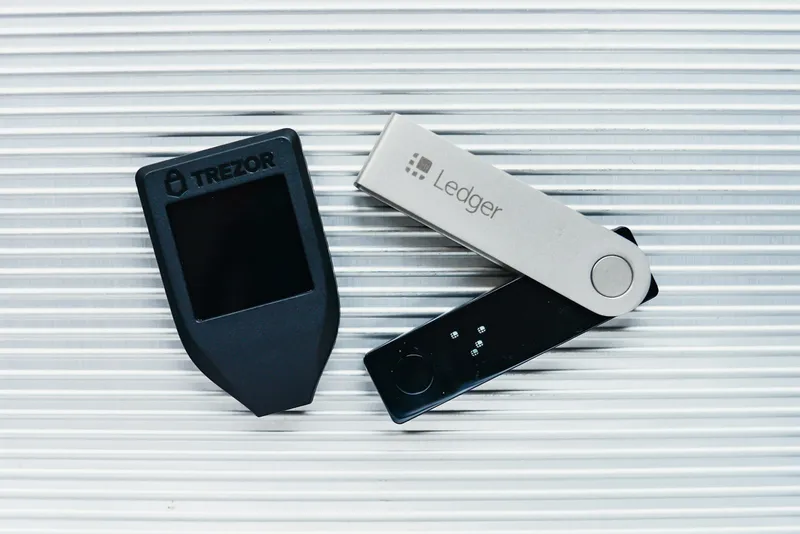
A useful personal rule, not a law: if the balance would change how you sleep, it should not live in a venue you cannot personally bankrupt-proof. Withdraw to a wallet whose recovery you have tested. Leave on the exchange only what you intend to trade or convert soon. “Soon” is a word people lie to themselves about.
If withdrawals are paused “for maintenance” on a sunny day with a nervous market, treat that as information. Do not wait for a blog post that uses the word ecosystem.
Who it is for
People who need a cash on-ramp, who will withdraw, and who understand they have a counterparty. It is not a savings account. It is not “in the blockchain” in the sense that a protocol outage is your only risk. If a venue cannot explain, in writing, what happens to customer assets if the company dies, keep the balance small.
Category score, not a recommendation of a named exchange. Laws differ. This is not financial, legal, or tax advice. If you only remember one line: convenience is the feature you pay for with trust.