The old version of this URL was an unpublished placeholder (“H1 text here”). We rewrote it in August 2026 and kept the 18 April 2020 publish date so the address stays stable. Coinbase has changed a lot since 2020. This is an explainer of the company-shaped on-ramp, not a live scoreboard and not financial advice.
What you are actually buying
Coinbase is a business that lets people in supported countries convert between cash and cryptocurrencies, then shows a balance in an app. That balance is an IOU from the company until you send coins to an address whose keys you hold. The blockchain does not know your email address. Coinbase does.
That is the whole product, stripped of Super Bowl ads. Convenience, password reset, and customer support on one side. Counterparty risk, account holds, and phishing that impersonates Coinbase on the other.
Fees and the quiet spread
The number in the fee schedule is not always the number you pay. Spreads, “simple” buy buttons, and network fees on the way out all stack. If you are learning, a tiny test purchase plus a test withdrawal teaches more than a comparison table.
Security settings that actually matter
Use an authenticator app, not SMS, if the account offers it. Watch for emails that rush you to a lookalike domain. Coinbase will not need your recovery phrase — because a custodial account does not work that way. Anyone asking for one is not Coinbase.
Who it is for
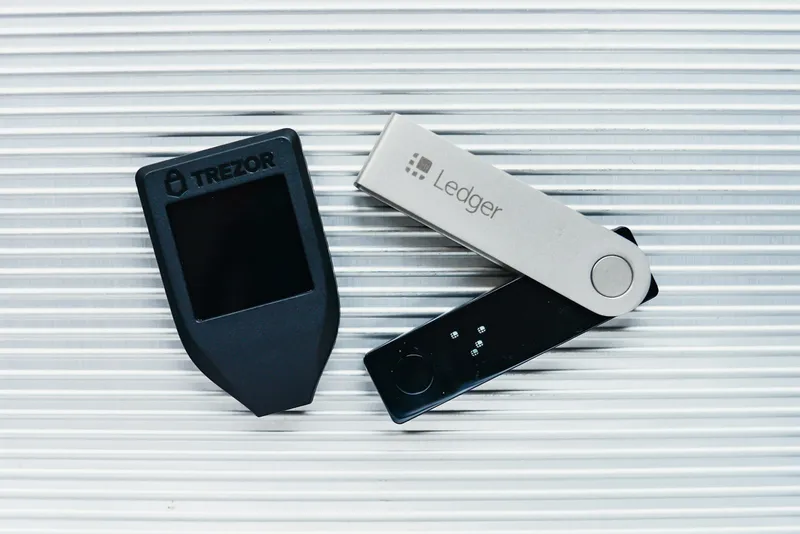
People who need a regulated-looking on-ramp and will withdraw. People who want to leave life-changing sums in the app because the charts look official should read our exchange checklist instead. For keys and phrases, start with how wallets actually work.