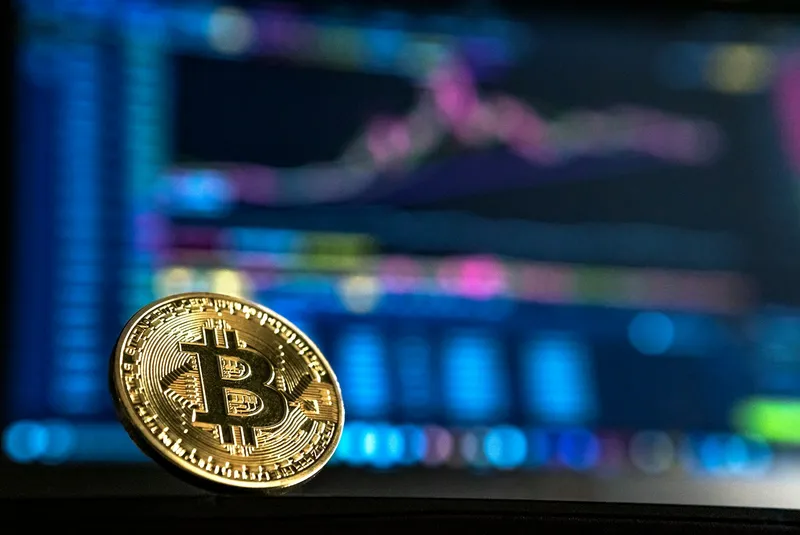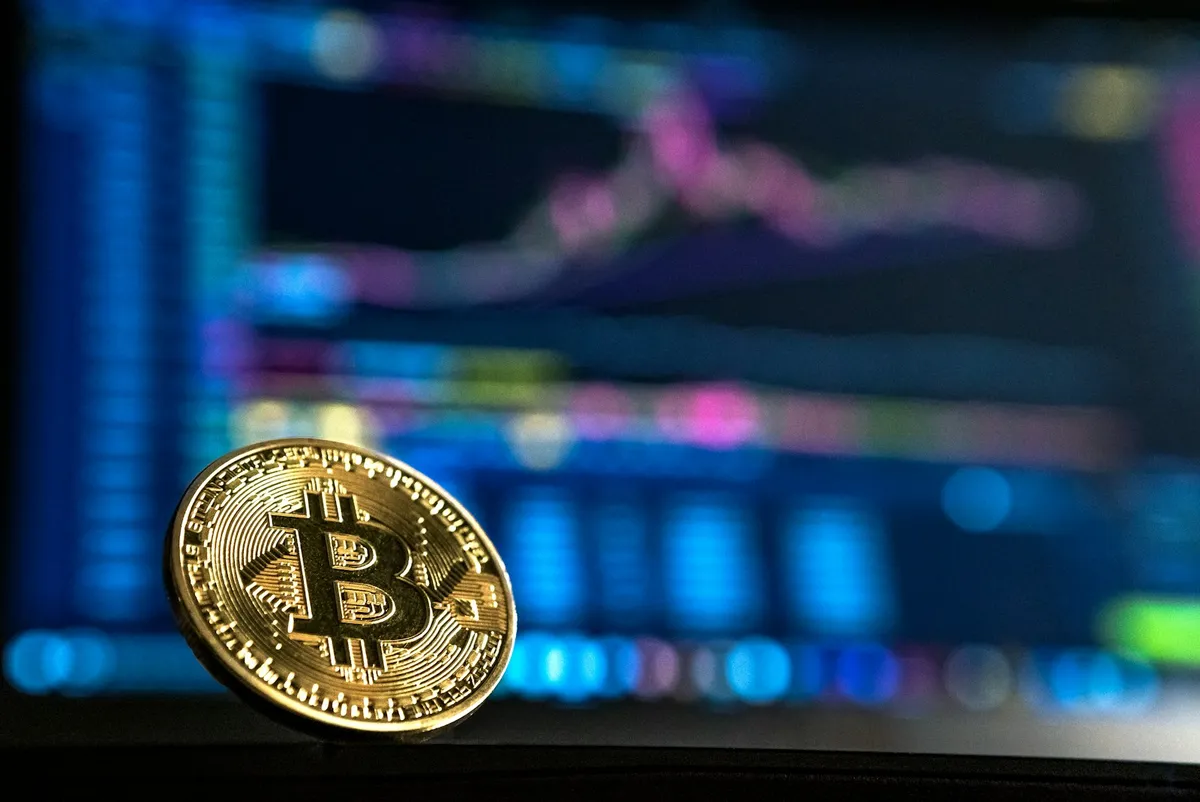
On 8 February 2021 Tesla filed its annual report on Form 10-K. In it the company said that in January it had updated its investment policy so cash not needed for operations could go into specified alternative reserve assets, including digital assets. Under that policy it had invested an aggregate $1.50 billion in bitcoin. It expected to begin accepting bitcoin as payment for products in the near future, subject to law, initially on a limited basis, and might or might not sell coins received. MicroStrategy’s 2020 treasury announcement is a different company. Tesla’s 12 May 2021 suspension of vehicle bitcoin payments is a different URL. Do not collapse a purchase into a till.
This site’s 20 February piece on bitcoin’s market cap reaching a trillion dollars is a round-number briefing a fortnight later. Related weather, not this filing.
What happened
A public company with a famous chief executive put a large, mark-to-market pile of bitcoin on a balance sheet that already had a lot of cash. Accounting, custody, and the possibility of selling into a payment flow are the product facts. Elon Musk’s timeline is marketing around those facts. Neither is a BIP.
Why it matters
Corporate treasuries can move a print because they are large relative to a day’s spot. They do not make bitcoin a car, a stock, or legal tender. If you hold coins, Tesla’s 10-K did not change your keys. If you wanted to pay for a Model 3 in BTC, you still have to wait for the limited rollout — and, later, for it to be switched off. See how buying crypto actually works.
What happens next
A green day, copycats, and a May energy argument from the same account. We will not target TSLA or BTC. Nothing here is an instruction to buy, sell, or hold either.