A recovery phrase is not a riddle. It is a spare set of keys in twelve or twenty-four words. Anyone who has it can recreate the wallet. Anyone who cannot find it cannot. That is the whole inheritance problem, stated without a desert island. People die. Houses flood. Laptops are thrown away. The ledger does not have a next of kin field. If you hold keys, you are the backup — or you have written one down on purpose.
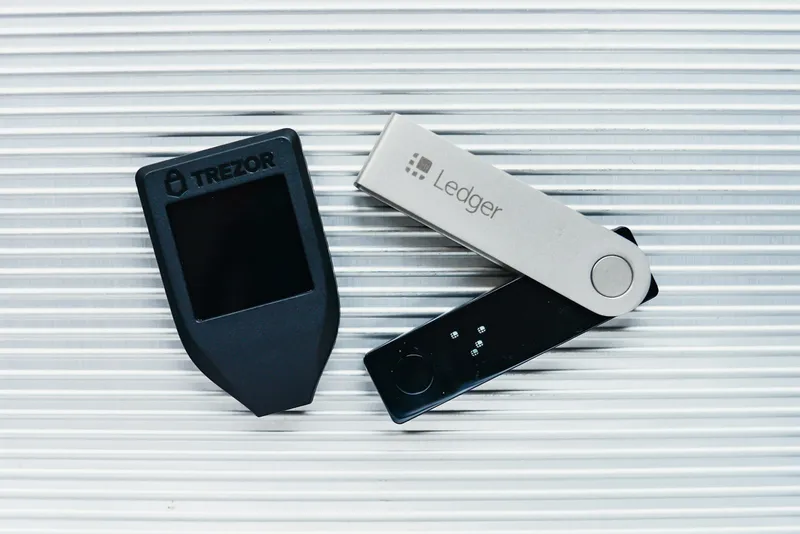
How crypto wallets actually work is the phrase as backup of keys. Cold storage is keys not sitting on a daily-driver. Hardware wallets are a practice is the restore drill. The security checklist mentions a sealed envelope in one paragraph. This page is that paragraph at full length, without a treasure map, a YouTube “opsec” kit, or a vendor ranking of steel plates.
Test the restore while the balance is zero
Create the wallet. Write the words. Wipe the device or the app. Restore from the paper. Confirm the addresses match. If you will not do that, you do not have a backup. You have a story. Do it before the amount would ruin a month. A phrase you photographed into the same cloud as your tax return is hot storage with extra steps. Two paper copies in two places you can actually reach beats one clever hide you will forget in a move.
A passphrase — an extra word some setups add on top of the twelve or twenty-four — makes a hidden wallet. It is powerful and easy to lose. If the heir would need to guess it, you hid the coins from them too. If you cannot explain it to your future self, do not turn it on because a thread said “25th word”. Lost passphrases are a genre. The hardware-wallet page already said so. This page says: write the extra secret in the same boring plan, or do not use it.
The living need instructions. The dead cannot type.
Someone you trust has to know that a wallet exists, where the backup lives, and what not to do (no “support” chat, no typing words into a website). That can be a sealed letter with a lawyer, a note that points at a location rather than repeating the words in a document that might be copied, or a conversation you actually had. We are not your solicitor. In some places, documents that go through probate are easier for strangers to read than you think. Putting the twelve words in an ordinary will can be a way of publishing the spare key. Pointing at a sealed envelope is often the less theatrical version. Ask someone allowed to advise you where you live if the amount is real.
Multi-person setups (several keys, a threshold to spend) exist so that no one laptop and no one envelope is the whole vault. They are another practice. They fail if the co-signers cannot be found, cannot agree, or never practised a spend. A scheme with five gadgets in three countries is a treasure map. Two people who have restored a test wallet and know the lawyer’s number is a plan. We will not draw a diagram you will mis-copy.
Metal plates survive fire better than paper. They do not survive “I forgot which drawer”.
A “crypto inheritance” app is a company with a server. Read who can see what, and what happens if the company dies.
A dead-man’s switch that emails the phrase is a server that will one day be wrong, late, or phished.
Splitting words among relatives who do not get on is a family argument with a balance attached.
Company balances inherit like company balances
An exchange IOU, a brokerage ETP, a banked dollar token — those have account agreements, next of kin forms, and delays. An exchange balance is an IOU, not a wallet. A spot ETF is a wrapper. Password reset and a death certificate are the product. That can be easier for an executor than a steel plate in a wall. It is still a claim on a firm, with a queue. Leave written account names, not passwords in the same envelope as the phrase if you also self-custody. Mixing them is how one burglary takes both doors.
If you cannot bear self-custody, it is allowed to keep the amount in a venue whose paperwork your executor can actually use — and to keep that amount small enough that a freeze would not finish the story. Hardware you will not test is not the grown-up alternative. Neither is a screenshot of a seed in an executor’s inbox.
What this guide will not do
It will not write your will. It will not tell you which steel brand to stamp. It will not walk through a multisig recipe. It will not tell you to self-custody. It will not tell you to leave everything on an exchange because probate is simpler. Those are values plus a lawyer. The mechanism is narrower: keys that nobody can find are a donation to the ledger. Keys that the wrong person can find are a donation to them.
A calmer sequence: practise the restore. Write where the paper lives. Tell one living person how to start, not how to get phished. Revisit after a move. If that already feels like too much process, the amount you were about to put in self-custody may be the wrong amount. Nothing here is an instruction to buy, sell, hold, or move coins tonight. An estate plan is boring on purpose. Treasure maps are for fiction.